


Understanding the psychological factors that drive gambling behavior

Understanding the psychological factors that drive gambling behavior
The Allure of Risk and Reward
One of the primary psychological factors that drive gambling behavior is the allure of risk and reward. The thrill of potentially winning a large sum of money can be incredibly enticing. This excitement can create a rush of adrenaline, making individuals feel alive and engaged. The possibility of striking it rich often overshadows the reality of losses, leading many to gamble more than they initially intended. For some, the anticipation of winning can become a compulsion, drawing them back to the betting table time and again. Many players find themselves drawn to platforms like the Wildrobin platform, attracted by the sheer variety of games available.

Moreover, the concept of loss aversion plays a significant role in gambling. Research indicates that the pain of losing money can be more acute than the pleasure derived from winning. This paradox leads individuals to gamble in an effort to recover lost funds, often resulting in a vicious cycle of increased betting and deeper financial strain. The desire to recoup losses can create a strong emotional attachment to gambling, making it difficult for individuals to walk away, even when they know it’s not in their best interest.
The use of cognitive biases, such as the gambler’s fallacy, also influences gambling behavior. Many individuals believe that past results can affect future outcomes in games of chance, leading them to make irrational bets based on incorrect assumptions. For instance, a player may continue to bet on a losing streak, convinced that a win is ‘due’ to happen. This flawed reasoning can perpetuate gambling habits and escalate the amount wagered, as individuals chase the thrill of a perceived imminent win.
The Role of Social Influences
Social influences play a pivotal role in shaping gambling behavior. Peer pressure can significantly affect individuals, especially among young adults who may be more susceptible to the opinions and behaviors of their friends. The social environment surrounding gambling can encourage participation, as individuals often feel a sense of belonging and excitement when engaging in these activities with others. This social aspect can amplify the allure of gambling, making it more than just a solitary pursuit but rather a shared experience.
Moreover, the portrayal of gambling in popular media can influence public perception and behavior. Movies and television often glamorize high-stakes gambling, showcasing successful players and their lavish lifestyles. Such depictions can create an aspirational image of gambling, making it appear as a viable path to wealth and success. This can lead individuals to underestimate the risks involved and overlook the potential for negative consequences, resulting in increased participation.
The presence of gambling in social settings, such as casinos, bars, or sports events, can also enhance the overall experience. The excitement of a vibrant atmosphere, combined with the chance to win money, can create an intoxicating environment that encourages individuals to gamble more. Events like poker nights or sports betting pools can create a sense of community, reinforcing the idea that gambling is an enjoyable and socially acceptable activity, even among those who may not be regular gamblers.
Emotional Factors at Play
Emotional factors are a crucial aspect of gambling behavior, with many individuals seeking an escape from stress or negative emotions. Gambling can serve as a temporary distraction, providing an emotional high that allows individuals to forget their troubles. This is particularly evident among those experiencing anxiety, depression, or other mental health challenges, who may turn to gambling as a coping mechanism. The rush of placing a bet can provide a temporary reprieve, but it often leads to deeper emotional distress once the reality of losses sets in. Players often turn to Wildrobin casino Canada to find solace in their gaming.
Furthermore, the emotional rollercoaster associated with gambling can be addictive. The oscillation between winning and losing can create a sense of euphoria during wins and deep despair during losses, making gambling a highly charged emotional experience. This unpredictability keeps individuals coming back for more, as they chase the high of a win while trying to avoid the lows of a loss. Such emotional highs and lows can foster a dependency on gambling, similar to substance addiction.
The need for validation and self-worth can also drive gambling behavior. For some, winning can become a source of self-esteem, reinforcing their identity as a successful individual. This can lead to over-gambling as players seek to replicate their past successes. However, the pressure to maintain this image can be overwhelming, often resulting in increased stakes and riskier bets to prove one’s worth, further complicating their relationship with gambling.
The Impact of Technology and Accessibility
The rapid advancement of technology has significantly altered the landscape of gambling, making it more accessible than ever. Online casinos and mobile applications allow individuals to gamble from the comfort of their homes, increasing the frequency of gambling behaviors. The convenience of being able to place bets anytime and anywhere can lead to impulsive gambling, as individuals may not have the same barriers that physical casinos impose, such as travel and time constraints.
Additionally, the use of algorithms and data analytics in online gambling platforms can create a personalized experience that encourages continued play. By analyzing user behavior, casinos can tailor promotions and bonuses that cater to individual preferences, enticing players to gamble more. This targeted approach can lead to prolonged engagement, as players find themselves drawn into a cycle of play driven by tailored incentives and the thrill of real-time gambling.
Moreover, the rise of social media has created new avenues for gambling interactions, where players can share their experiences and celebrate wins. This can foster a sense of community and competition, further reinforcing gambling behaviors. The interconnectedness facilitated by technology can create a feedback loop, where social validation drives individuals to gamble more frequently in pursuit of approval and recognition from their peers.
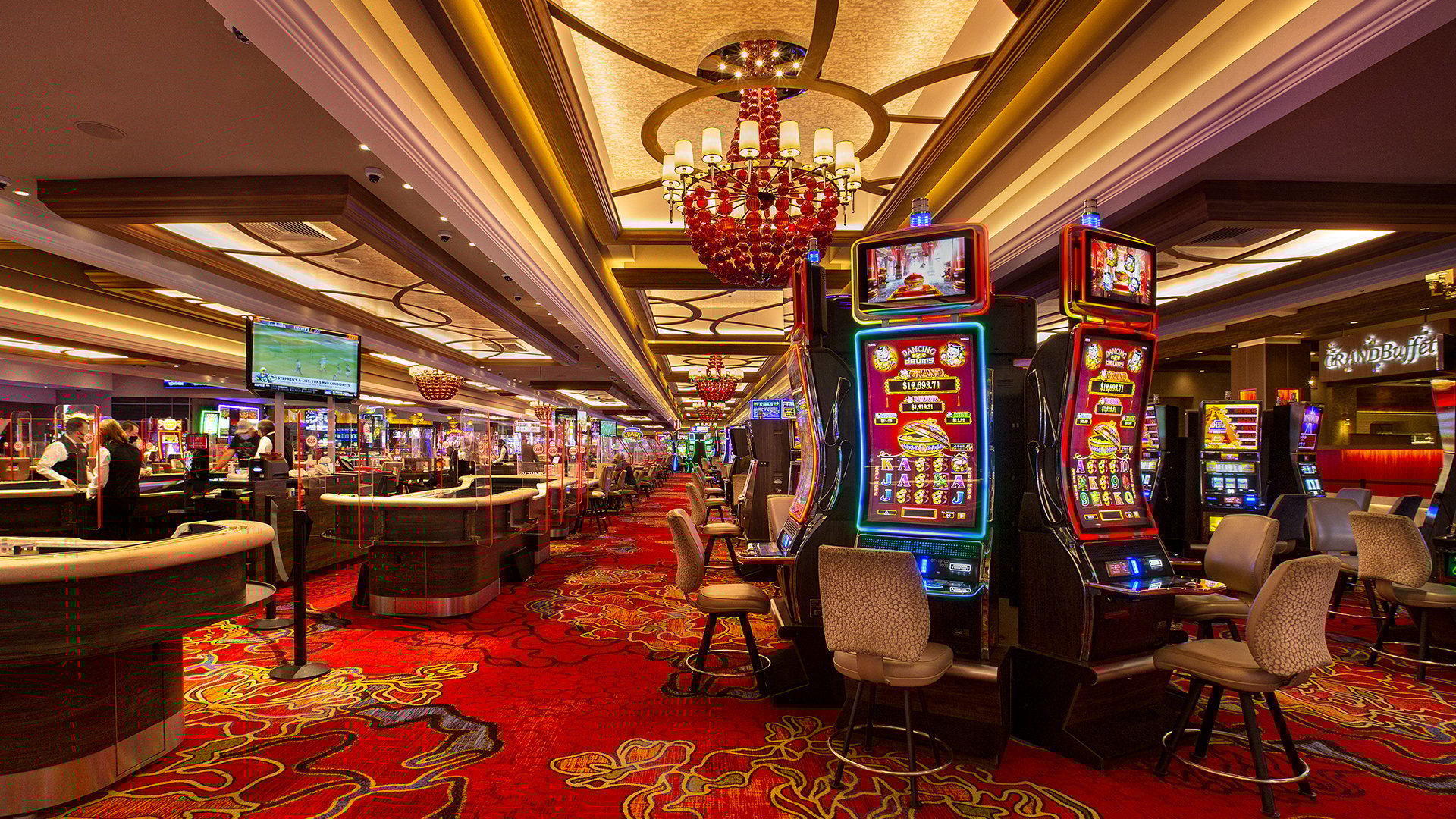
Exploring WildRobin Casino: A Case Study in Modern Gambling
Wildrobin casino exemplifies the modern gambling experience, combining user-friendly design with a vast array of gaming options. With over 9,200 games, including slots, table games, and live dealer experiences, it caters to a diverse audience seeking both excitement and convenience. The platform’s emphasis on security and seamless navigation enhances user experience, allowing players to focus on the thrill of gambling rather than technical difficulties.
Promotions, such as welcome bonuses and ongoing incentives, reflect the psychological factors at play in gambling behavior. Wildrobin casino’s offerings, including a 100% match bonus and free spins, tap into the excitement of potential rewards, encouraging new players to engage more deeply. This aligns with the understanding of risk and reward psychology, as players are incentivized to place bets in hopes of maximizing their returns.
Additionally, Wildrobin casino’s commitment to 24/7 customer support and mobile compatibility ensures that players have a reliable and engaging environment for their gambling activities. As technology continues to evolve, platforms like WildRobin will likely adapt, further influencing gambling behaviors through innovative features and an ever-expanding gaming library, showcasing how psychological factors intertwine with modern gambling practices.